For homeowners and business leaders in the Sunshine State, finding a Trusted Florida Solar Panel Installation Company Residential And Commercial Projects is the fastest way to reduce electricity costs, increase property value, and meet the state’s aggressive renewable‑energy targets. In 2026, Florida added more than 4 GW of new solar capacity—ranking third nationally—so choosing an installer with proven expertise is no longer optional; it’s essential for securing incentives, ensuring code compliance, and achieving long‑term performance.
Why Expertise Matters in Both Residential and Commercial Solar
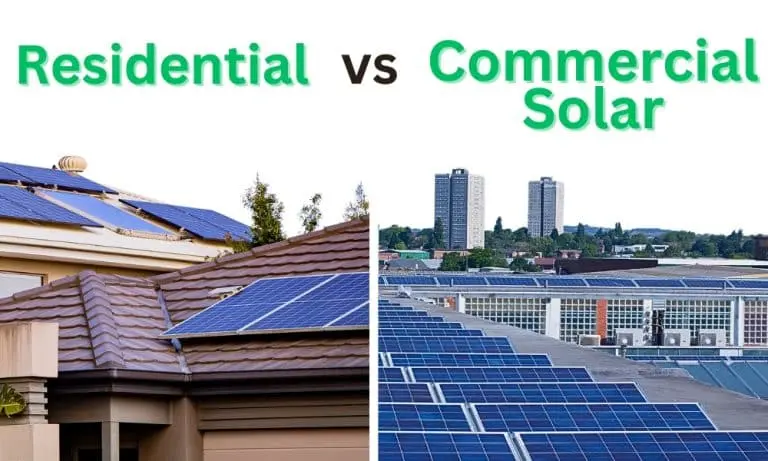
Residential solar systems differ fundamentally from commercial installations in scale, design, and financing. A single‑family home typically requires a 5‑10 kW array, while a warehouse or office park may need 250 kW or more. These differences dictate distinct engineering calculations, permitting pathways, and interconnection agreements with Florida Power & Light (FPL) or local utilities.
Table of Contents
- Why Expertise Matters in Both Residential and Commercial Solar
- Key Services Offered by a Trusted Installer
- Financial Incentives That Make Solar Viable in Florida
- Case Study: Residential Success in Miami‑Dade County
- Case Study: Commercial Transformation in Tampa Bay
- Common Mistakes to Avoid When Selecting a Solar Installer
- Choosing Price Over Proven Track Record
- Neglecting Permitting and Utility Interconnection Timing
- Overlooking Future Expansion or Energy Storage
- Actionable Steps to Secure the Right Solar Partner
- Integrating Solar Education and Workforce Development
- Regional Perspective: Lessons from Other States
- Future Outlook: Solar in Florida Through 2030
- FAQs
- What is the typical lifespan of a residential solar system in Florida?
- Can I install solar panels on a flat commercial roof?
- How does hurricane insurance affect solar installations?
- Do I need a separate battery system for backup power?
- What are the steps to claim the Florida Renewable Energy Sales Tax Exemption?
According to the U.S. Energy Information Administration (EIA) 2026 report, commercial solar projects generate 45 % of the state’s total solar electricity, underscoring the need for installers who can handle complex load analyses, roof‑to‑ground transitions, and utility‑scale net‑metering structures. A mis‑designed system can lead to over‑sizing, shading losses, or even safety violations that delay rebates and increase lifecycle costs.
Key Services Offered by a Trusted Installer
A reputable Florida solar installer provides a full‑service workflow that eliminates guesswork for both residential and commercial clients:
- Site Assessment & Solar Modeling: Using tools like Aurora Solar or Helioscope, technicians create a 3‑D model that predicts energy production, shading impacts, and optimal panel tilt.
- Engineering Design & Permit Management: Certified engineers draft structural calculations and electrical schematics that satisfy the Florida Building Code (FBC) and local jurisdiction requirements.
- Product Selection & Procurement: High‑efficiency monocrystalline panels (≥ 22 % efficiency) paired with Tier‑1 inverters from SMA or SolarEdge ensure reliability and warranty support.
- Installation & Quality Assurance: Trained crews follow NFPA 70 (National Electrical Code) standards, using conduit, grounding, and rapid‑shutdown systems mandated for residential rooftops.
- Commissioning & Post‑Installation Monitoring: Cloud‑based platforms (e.g., SolarEdge Monitoring) provide real‑time performance data, enabling owners to verify savings and spot anomalies early.
Financial Incentives That Make Solar Viable in Florida
Florida’s solar market is bolstered by several state and federal programs that dramatically improve ROI:
- Federal Investment Tax Credit (ITC): Still at 30 % for systems placed in service before 2026, the ITC directly reduces the taxable cost of a solar project.
- Florida Renewable Energy Sales Tax Exemption: Solar equipment purchases are exempt from state sales tax, saving up to 6 % on material costs.
- Net‑Metering (FPL’s “Net Energy Metering”): Residential customers receive a 1:1 credit for excess generation, while commercial entities benefit from a 1:1.2 credit, effectively turning their rooftops into revenue‑generating assets.
- Local Utility Rebates & Property Tax Exemptions: Many counties offer up to $0.30 per watt rebates and property‑tax relief for solar‑producing properties.
When a trusted installer integrates these incentives into the financial model, the simple payback period for a 7 kW residential system can shrink to 4–5 years, while a 250 kW commercial installation often reaches breakeven within 3 years.
Case Study: Residential Success in Miami‑Dade County
In early 2026, a family in Miami‑Dade replaced a 12‑year‑old 5 kW system with a new 7 kW high‑efficiency array from a locally trusted installer. The project included a roof‑reinforcement assessment, solar‑shade analysis, and a battery storage addition (Tesla Powerwall 2). By leveraging the ITC and the county’s $0.25/W rebate, the total installed cost dropped from $24,000 to $16,800.
Within the first 12 months, the household saved $2,800 on electricity bills and generated 10 % more power than the original system—thanks to the higher panel efficiency and optimal tilt. The homeowner also enjoys a 25‑year performance warranty, securing the investment against degradation.
Case Study: Commercial Transformation in Tampa Bay
A 150,000 sq ft distribution center in Tampa partnered with a trusted Florida solar contractor to design a 300 kW ground‑mount system. The engineer performed a detailed load‑profile analysis, revealing that the facility’s peak demand coincided with the sun’s highest output, making a solar‑plus‑storage solution ideal.
The project secured a 30 % federal ITC, a $45,000 state rebate, and a net‑metering arrangement that credits excess energy at 1.2 × the retail rate. After 24 months, the center reported a 38 % reduction in electricity expenses, translating to $120,000 in annual savings and an estimated internal rate of return (IRR) of 14 %.
Common Mistakes to Avoid When Selecting a Solar Installer
Choosing Price Over Proven Track Record
Low‑ball quotes often hide sub‑par components or insufficient labor warranties. Verify that the installer is a member of the National Renewable Energy Laboratory (NREL) Certified Installer Network and can provide at least three recent references.
Neglecting Permitting and Utility Interconnection Timing
Florida utilities typically require a detailed interconnection application, and delays can add weeks to the project timeline. A reputable contractor will handle all paperwork and schedule the final inspection with the county building department, preventing costly overruns.
Overlooking Future Expansion or Energy Storage
Many residential owners later add battery storage for backup power during hurricanes. Selecting an inverter with spare capacity and a wiring design that accommodates additional modules can save thousands in retrofit costs.
Actionable Steps to Secure the Right Solar Partner
- Verify Licensing and Insurance: Ensure the company holds a Florida State Contractor’s License (Category C‑10) and carries workers’ compensation coverage.
- Request a Detailed Proposal: The document should outline system size, component specifications, performance guarantees, and a clear timeline.
- Check Warranty Terms: Look for a minimum 25‑year panel performance warranty and a 10‑year inverter warranty.
- Assess Financial Modeling: Use a calculator that incorporates ITC, local rebates, and projected utility rates to confirm the expected ROI.
- Schedule a Site Visit: A reputable installer will conduct an on‑site evaluation, discuss shading, structural constraints, and propose the most efficient layout.
Integrating Solar Education and Workforce Development
As Florida’s solar sector expands, the demand for qualified technicians grows. Programs such as the LSAT Demon Scholarships USA and Scholarships for Medical Coding and Billing USA Accredited Programs illustrate the broader trend of financial aid supporting technical education. While these scholarships target other fields, the same funding mechanisms can be leveraged for solar training programs offered by community colleges and trade schools, ensuring a pipeline of skilled installers to maintain the high standards expected from a trusted Florida solar provider.
Regional Perspective: Lessons from Other States
Looking north, the Certified Professionals required in Connecticut’s solar landscape highlight the importance of rigorous training and certification. Similarly, the Best Solar Panel Installation in Washington DC showcases how fast approval processes can accelerate project timelines when installers pre‑qualify with utilities. Florida can adopt these best practices—mandatory certification and streamlined interconnection—to further strengthen its solar market.
Future Outlook: Solar in Florida Through 2030
The Florida Public Service Commission’s 2026 roadmap predicts that solar will account for 30 % of the state’s electricity mix by 2030, up from 12 % today. This trajectory is driven by falling panel prices—averaging $0.55 per watt in 2026, a 35 % decline from 2022—and the continued expansion of utility‑scale solar farms along the Gulf Coast. For residential and commercial owners, this means that early adoption not only locks in lower energy rates but also positions properties to benefit from future grid‑services programs, such as demand‑response incentives.
FAQs
What is the typical lifespan of a residential solar system in Florida?
Most high‑quality panels retain 80 % of their output after 25 years, and manufacturers often guarantee this performance level. Inverters typically require replacement around the 10‑15‑year mark.
Can I install solar panels on a flat commercial roof?
Yes. Tilted mounting racks are recommended to maximize sun exposure and reduce snow or debris accumulation, even though snow is rare in Florida.
How does hurricane insurance affect solar installations?
Most insurers treat solar panels as a permanent improvement, covering them under the building policy up to the insured value. However, it’s wise to review policy language for wind‑storm exclusions.
Do I need a separate battery system for backup power?
While not required, adding a battery like the Tesla Powerwall or LG Chem RESU provides resilience during outages—a valuable feature during hurricane season.
What are the steps to claim the Florida Renewable Energy Sales Tax Exemption?
The installer usually handles the exemption paperwork by providing a resale certificate to the supplier. The homeowner or business must retain the certificate for audit purposes.
Choosing a Trusted Florida Solar Panel Installation Company Residential And Commercial Projects is more than a transaction; it’s a strategic partnership that delivers measurable savings, compliance peace of mind, and a greener future for the entire community.