For homeowners and business leaders in the Sunshine State, finding a Trusted Florida Solar Panel Installation Company Residential And Commercial Projects is the fastest way to reduce electricity costs, increase property value, and meet the state’s aggressive renewable‑energy targets. In 2026, Florida added more than 4 GW of new solar capacity—ranking third nationally—so choosing an installer with proven expertise is no longer optional; it’s essential for securing incentives, ensuring code compliance, and achieving long‑term performance.
Why Expertise Matters in Both Residential and Commercial Solar
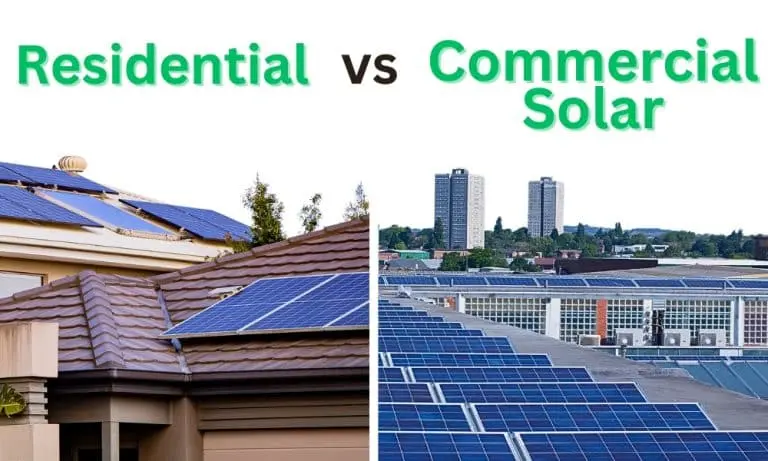
Residential solar systems differ fundamentally from commercial installations in scale, design, and financing. A single‑family home typically requires a 5‑10 kW array, while a warehouse or office park may need 250 kW or more. These differences dictate distinct engineering calculations, permitting pathways, and interconnection agreements with Florida Power & Light (FPL) or local utilities.
According to the U.S. Energy Information Administration (EIA) 2026 report, commercial solar projects generate 45 % of the state’s total solar electricity, underscoring the need for installers who can handle complex load analyses, roof‑to‑ground transitions, and utility‑scale net‑metering structures. A mis‑designed system can lead to over‑sizing, shading losses, or even safety violations that delay rebates and increase lifecycle costs.
Table of Contents
Key Services Offered by a Trusted Installer
A reputable Florida solar installer provides a full‑service workflow that eliminates guesswork for both residential and commercial clients:
- Site Assessment & Solar Modeling: Using tools like Aurora Solar or Helioscope, technicians create a 3‑D model that predicts energy production, shading impacts, and optimal panel tilt.
- Engineering Design & Permit Management: Certified engineers draft structural calculations and electrical schematics that satisfy the Florida Building Code (FBC) and local jurisdiction requirements.
- Product Selection & Procurement: High‑efficiency monocrystalline panels (≥ 22 % efficiency) paired with Tier‑1 inverters from SMA or SolarEdge ensure reliability and warranty support.
- Installation & Quality Assurance: Trained crews follow NFPA 70 (National Electrical Code) standards, using conduit, grounding, and rapid‑shutdown systems mandated for residential rooftops.
- Commissioning & Post‑Installation Monitoring: Cloud‑based platforms (e.g., SolarEdge Monitoring) provide real‑time performance data, enabling owners to verify savings and spot anomalies early.
Financial Incentives That Make Solar Viable in Florida
Florida’s solar market is bolstered by several state and federal programs that dramatically improve ROI:
- Federal Investment Tax Credit (ITC): Still at 30 % for systems placed in service before 2026, the ITC directly reduces the taxable cost of a solar project.
- Florida Renewable Energy Sales Tax Exemption: Solar equipment purchases are exempt from state sales tax, saving up to 6 % on material costs.
- Net‑Metering (FPL’s “Net Energy Metering”): Residential customers receive a 1:1 credit for excess generation, while commercial entities benefit from a 1:1.2 credit, effectively turning their rooftops into revenue‑generating assets.
- Local Utility Rebates & Property Tax Exemptions: Many counties offer up to $0.30 per watt rebates and property‑tax relief for solar‑producing properties.
When a trusted installer integrates these incentives into the financial model, the simple payback period for a 7 kW residential system can shrink to 4–5 years, while a 250 kW commercial installation often reaches breakeven within 3 years.
Case Study: Residential Success in Miami‑Dade County
In early 2026, a family in Miami‑Dade replaced a 12‑year‑old 5 kW system with a new 7 kW high‑efficiency array from a locally trusted installer. The project included a roof‑reinforcement assessment, solar‑shade analysis, and a battery storage addition (Tesla Powerwall 2). By leveraging the ITC and the county’s $0.25/W rebate, the total installed cost dropped from $24,000 to $16,800.