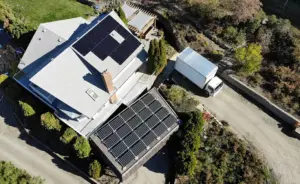
Switching to solar panel installation today is the fastest way to slash your electricity bills while securing long‑term energy independence; a well‑designed photovoltaic system can reduce residential utility costs by 40‑70 % within the first year, according to the U.S. Energy Information Administration’s 2026 report. By leveraging federal tax credits, state rebates, and net‑metering policies, homeowners can recover up to 30 % of upfront expenses almost immediately. Start Solar Energy Installation Today with Certified Local Experts to ensure a smooth, incentive‑ready rollout.
Why Switch to Solar Now?
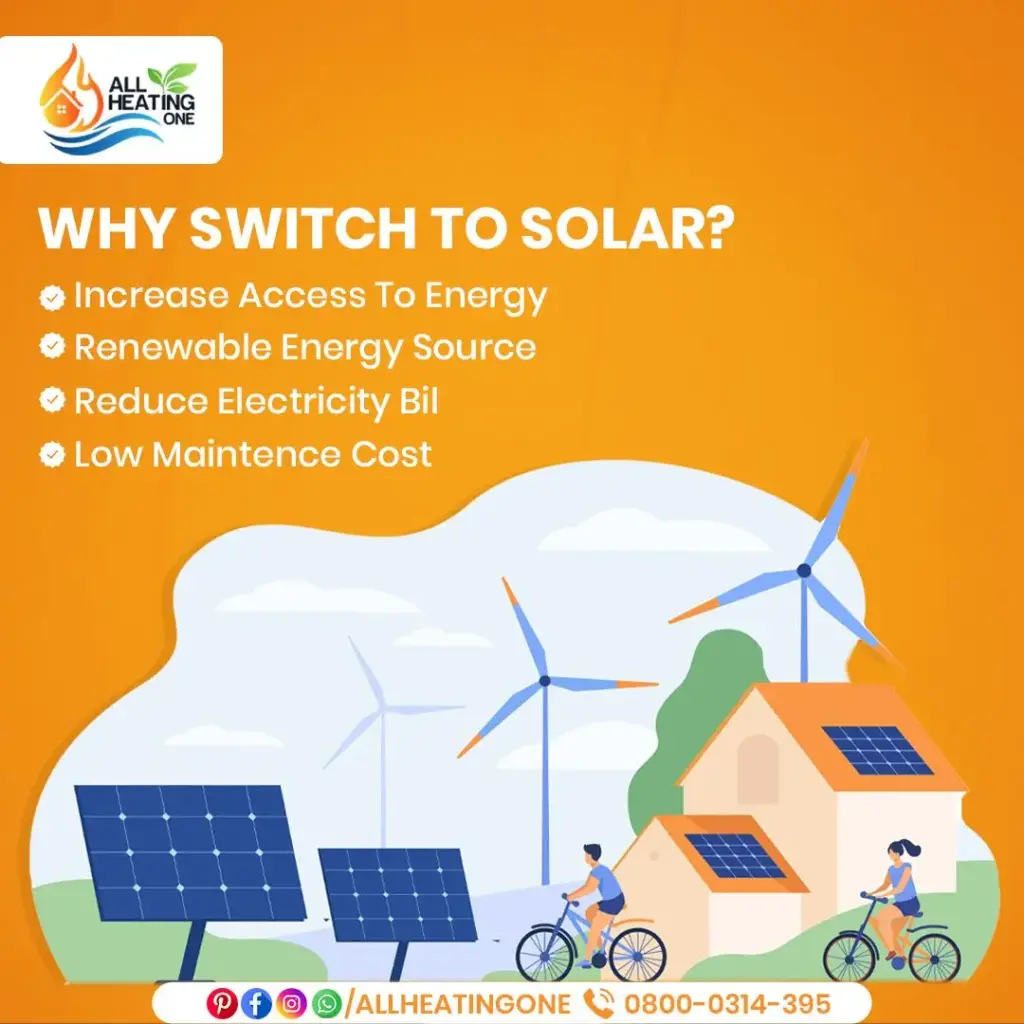
Several converging forces make 2026 the optimal moment to adopt solar energy:
Table of Contents
- Why Switch to Solar Now?
- Financial Incentives and Return on Investment
- Federal and State Tax Credits
- Net‑Metering and Energy Credits
- Payback Period and Lifetime Savings
- Assessing Your Property’s Solar Potential
- Step‑by‑Step Guide to a Successful Installation
- 1. Choose a Qualified Installer
- 2. System Design and Sizing
- 3. Permitting and Interconnection
- 4. Installation and Commissioning
- 5. Monitoring and Maintenance
- Real‑World Success Stories
- Houston, Texas
- Denver, Colorado
- Washington, D.C.
- Common Pitfalls and How to Avoid Them
- FAQ – Quick Answers to Common Questions
- Can I install solar panels myself?
- How long does the permitting process take?
- What happens during a power outage?
- Will my home value increase?
- Is solar a good investment for renters?
- Take the First Step Today
- Rising electricity rates: The average U.S. residential rate climbed to 15.2 ¢/kWh in 2025, a 12 % increase over the previous year (U.S. DOE).
- Improved panel efficiency: Commercial‑grade monocrystalline modules now exceed 23 % efficiency, delivering more power per square foot than ever before.
- Environmental urgency: Solar power accounted for 12 % of U.S. electricity generation in 2025, cutting carbon emissions by an estimated 400 million tons annually (IEA).
- Robust incentives: The federal Investment Tax Credit (ITC) remains at 30 % through 2032, complemented by state‑specific rebates and accelerated depreciation for commercial installations.
Financial Incentives and Return on Investment
Understanding the monetary landscape is crucial for maximizing savings:
Federal and State Tax Credits
The ITC reduces your tax liability dollar‑for‑dollar, effectively lowering the net cost of a 6 kW residential system from $18,000 to $12,600 after the credit. Many states, such as California and Texas, offer additional rebates ranging from $0.50 to $1.00 per watt.
Net‑Metering and Energy Credits
Under most net‑metering policies, excess electricity generated during daylight hours is fed back to the grid, earning you a credit at the retail rate. In 2026, the average credit value stood at 14.8 ¢/kWh (EIA).
Payback Period and Lifetime Savings
With a typical 25‑year panel lifespan, the average homeowner can expect a payback period of 5‑7 years, after which the system essentially provides free electricity. Over its lifetime, a standard 6 kW system can save upwards of $30,000 in utility bills.
Assessing Your Property’s Solar Potential
Before committing, evaluate the following factors to ensure optimal system performance:
- Roof orientation and tilt: South‑facing roofs with a 30‑40° pitch capture the most sunlight in the northern hemisphere.
- Shading analysis: Use a solar pathfinder or drone‑based LiDAR survey to identify trees, chimneys, or adjacent structures that could reduce output.
- Structural integrity: Verify that your roof can support the additional 2–4 lb/ft² load of mounting hardware.
- Local utility policies: Confirm net‑metering eligibility and any interconnection fees with your provider.
Step‑by‑Step Guide to a Successful Installation
Following a systematic approach minimizes delays and maximizes return:
1. Choose a Qualified Installer
Seek out licensed, NABCEP‑certified installers who can provide a detailed proposal, including system design, permitting timeline, and projected savings. For example, Professional Solar Panel Installation in Houston offers a turnkey solution that integrates local incentives and fast permitting.
2. System Design and Sizing
Using your historical electricity usage (typically found on your utility bill), an installer will size the system to offset 80‑100 % of your consumption. Advanced modeling software accounts for seasonal variations and future load growth.
3. Permitting and Interconnection
Most jurisdictions require electrical and building permits. The installer will submit plans to the city’s planning department and coordinate with the utility for interconnection agreements.
4. Installation and Commissioning
Installation usually takes 1‑3 days for a residential system. After mounting the racking, panels are secured, wired to the inverter, and connected to the grid. A final inspection confirms compliance with local codes.
5. Monitoring and Maintenance
Modern inverters feature web‑based dashboards that display real‑time production, enabling you to track performance against projected output. Routine cleaning (once or twice a year) and a 10‑year inverter warranty keep the system running efficiently.
Real‑World Success Stories
Concrete examples illustrate how quickly savings can materialize:
Houston, Texas
A 5.5 kW system installed on a suburban home reduced the household’s monthly bill from $180 to $55, delivering a 68 % reduction. Leveraging the Texas Property Assessed Clean Energy (PACE) program, the homeowner financed the project with zero upfront cost and began saving from day one.
Denver, Colorado
In Top Rated Solar Panel Installation Denver, a family adopted a 7 kW system paired with a battery storage unit. The combined setup allowed them to power their home during peak‑price periods, shaving an additional $600 off the annual electricity expense.
Washington, D.C.
The District’s aggressive net‑metering policy, offering a 1:1 credit for exported energy, enabled a downtown condo to achieve a net‑zero bill within 4 years of installation. The project qualified for the D.C. Climate Ready Buildings Act rebate, further enhancing ROI.
Common Pitfalls and How to Avoid Them
- Under‑sizing the system: A system that covers only 50 % of consumption prolongs the payback period. Conduct a thorough load analysis.
- Ignoring shading: Even partial shading can cause a disproportionate drop in output due to panel string configuration. Opt for micro‑inverters or power optimizers when shading is unavoidable.
- Skipping permits: Installing without proper permits can lead to fines, forced removal, or loss of insurance coverage.
- Choosing low‑quality components: Premium panels and inverters often come with longer warranties and higher efficiency, which translate into better long‑term savings.
FAQ – Quick Answers to Common Questions
Can I install solar panels myself?
DIY installation is technically possible but not recommended for most homeowners. Professional installers ensure code compliance, safety, and warranty protection.
How long does the permitting process take?
In most U.S. municipalities, permits are approved within 2‑4 weeks if all documentation is complete.
What happens during a power outage?
Grid‑tied systems without storage automatically shut down for safety. Adding a battery backup restores power continuity.
Will my home value increase?
Multiple studies, including a 2025 Zillow analysis, show an average resale premium of 4‑5 % for homes with solar installations.
Is solar a good investment for renters?
While renters cannot install panels directly, community solar programs allow participants to purchase a share of a local solar farm and receive bill credits.
Take the First Step Today
Transitioning to solar power is no longer a distant aspiration; it is a concrete, financially sound decision backed by federal incentives and proven technology. By partnering with certified installers, conducting a thorough site assessment, and leveraging available rebates, you can begin saving on electricity bills immediately and contribute to a cleaner energy future.
Ready to make the switch? Explore local expertise and fast‑track your project with Premium Solar Panel Installation San Diego or contact a nearby certified provider to start the process.