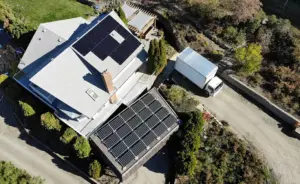
Switching to solar panel installation today is the fastest way to slash your electricity bills while securing long‑term energy independence; a well‑designed photovoltaic system can reduce residential utility costs by 40‑70 % within the first year, according to the U.S. Energy Information Administration’s 2026 report. By leveraging federal tax credits, state rebates, and net‑metering policies, homeowners can recover up to 30 % of upfront expenses almost immediately. Start Solar Energy Installation Today with Certified Local Experts to ensure a smooth, incentive‑ready rollout.
Why Switch to Solar Now?
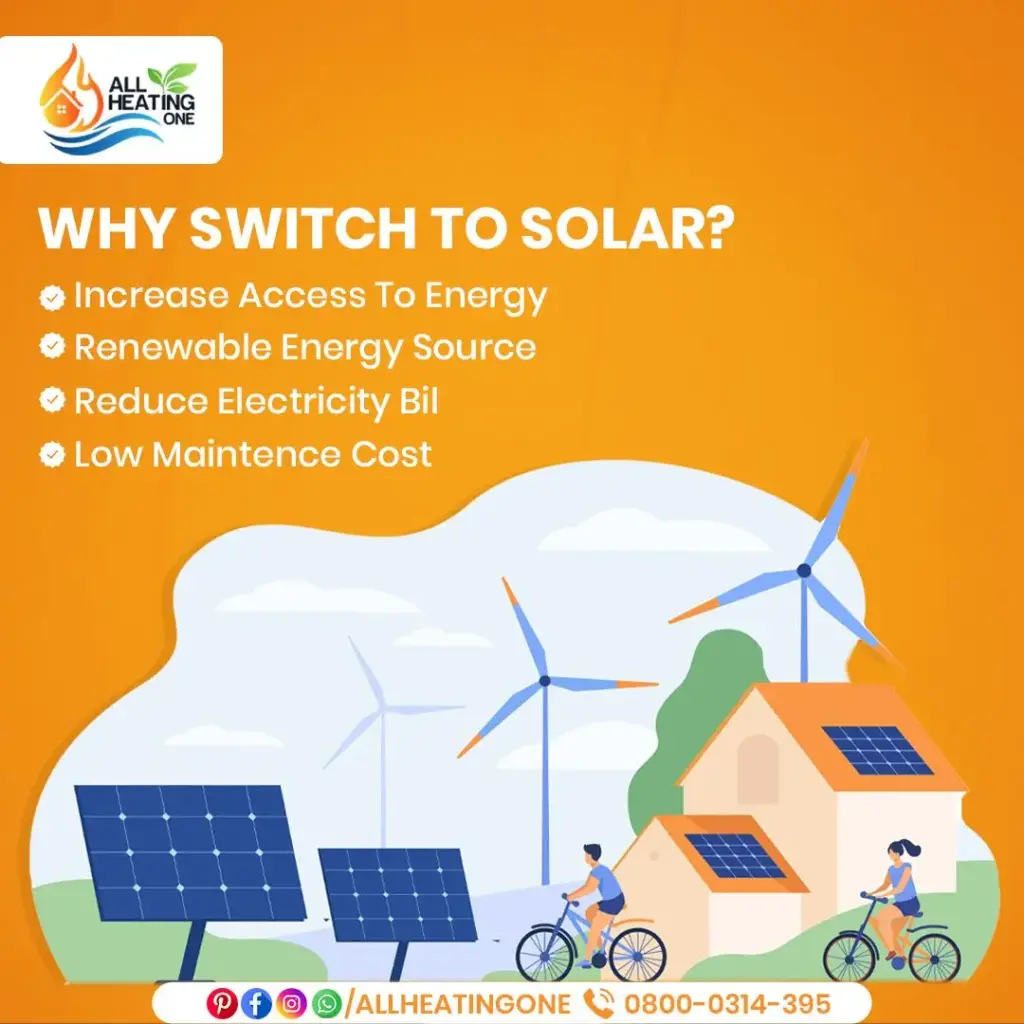
Several converging forces make 2026 the optimal moment to adopt solar energy:
- Rising electricity rates: The average U.S. residential rate climbed to 15.2 ¢/kWh in 2025, a 12 % increase over the previous year (U.S. DOE).
- Improved panel efficiency: Commercial‑grade monocrystalline modules now exceed 23 % efficiency, delivering more power per square foot than ever before.
- Environmental urgency: Solar power accounted for 12 % of U.S. electricity generation in 2025, cutting carbon emissions by an estimated 400 million tons annually (IEA).
- Robust incentives: The federal Investment Tax Credit (ITC) remains at 30 % through 2032, complemented by state‑specific rebates and accelerated depreciation for commercial installations.
Financial Incentives and Return on Investment
Understanding the monetary landscape is crucial for maximizing savings:
Table of Contents
Federal and State Tax Credits
The ITC reduces your tax liability dollar‑for‑dollar, effectively lowering the net cost of a 6 kW residential system from $18,000 to $12,600 after the credit. Many states, such as California and Texas, offer additional rebates ranging from $0.50 to $1.00 per watt.
Net‑Metering and Energy Credits
Under most net‑metering policies, excess electricity generated during daylight hours is fed back to the grid, earning you a credit at the retail rate. In 2026, the average credit value stood at 14.8 ¢/kWh (EIA).
Payback Period and Lifetime Savings
With a typical 25‑year panel lifespan, the average homeowner can expect a payback period of 5‑7 years, after which the system essentially provides free electricity. Over its lifetime, a standard 6 kW system can save upwards of $30,000 in utility bills.
Assessing Your Property’s Solar Potential
Before committing, evaluate the following factors to ensure optimal system performance:
- Roof orientation and tilt: South‑facing roofs with a 30‑40° pitch capture the most sunlight in the northern hemisphere.
- Shading analysis: Use a solar pathfinder or drone‑based LiDAR survey to identify trees, chimneys, or adjacent structures that could reduce output.
- Structural integrity: Verify that your roof can support the additional 2–4 lb/ft² load of mounting hardware.
- Local utility policies: Confirm net‑metering eligibility and any interconnection fees with your provider.
Step‑by‑Step Guide to a Successful Installation
Following a systematic approach minimizes delays and maximizes return: