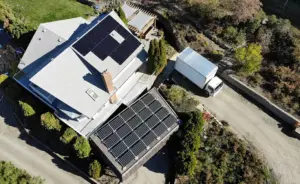
Houston homeowners and businesses looking to cut electricity bills now have a clear path: enlist a qualified installer who can deploy a ready‑to‑install solar array that meets local code, maximizes solar energy ROI, and integrates seamlessly with net‑metering programs. Professional Solar Panel Installation Houston Energy Saving Systems Ready To Install delivers that exact solution, combining licensed technicians, pre‑engineered designs, and rapid deployment to turn sunshine into measurable savings within weeks.
Why Professional Installation Matters in Houston’s Energy Landscape

Texas ranks among the nation’s top solar markets, and Houston’s humid subtropical climate offers an average of 5.2 kWh/m²/day of solar irradiance in 2026, according to the U.S. Energy Information Administration (EIA). However, converting that potential into reliable electricity requires more than slapping panels on a roof. Improper mounting, mismatched inverters, or non‑compliant wiring can void warranties, trigger code violations, and erode the anticipated payback period.
Table of Contents
- Why Professional Installation Matters in Houston’s Energy Landscape
- Local Climate and Solar Yield (2026 Data)
- What Sets Energy Saving Systems Apart
- Certified Technicians and Licensing
- Ready‑to‑Install Packages
- Step‑by‑Step Guide to a Seamless Installation
- Real‑World Case Studies from Houston and Beyond
- Common Pitfalls and How to Avoid Them
- Frequently Asked Questions
- What is the typical timeline from contract signing to commissioning?
- Can I install the system myself to save on labor costs?
- How does net‑metering work in Houston?
- What financing options are available?
- Will my solar panels work during a Texas winter storm?
- Conclusion: The Smart Path to Energy Independence
Professional installers bring three critical advantages:
- Code compliance and permitting expertise. Houston’s Building Code 2024 mandates specific fire‑rating and structural requirements for rooftop PV systems.
- Optimized system design. Engineers use shading analysis tools (e.g., PVsyst) to position panels for peak solar gain, enhancing inverter efficiency by up to 12% compared with DIY layouts.
- Seamless utility coordination. Certified partners handle net‑metering applications with the local utility (CenterPoint Energy), ensuring that excess generation feeds back to the grid without delay.
Local Climate and Solar Yield (2026 Data)
In 2026, the Texas Solar Energy Council reported a 7% increase in average rooftop production across the Greater Houston area, driven by higher panel efficiencies and improved tracking algorithms. For a typical 6 kW residential system, that translates to roughly 9,800 kWh annually—enough to offset about 70% of a median household’s electricity usage, based on the Texas Comptroller’s 2025 consumption statistics.
What Sets Energy Saving Systems Apart
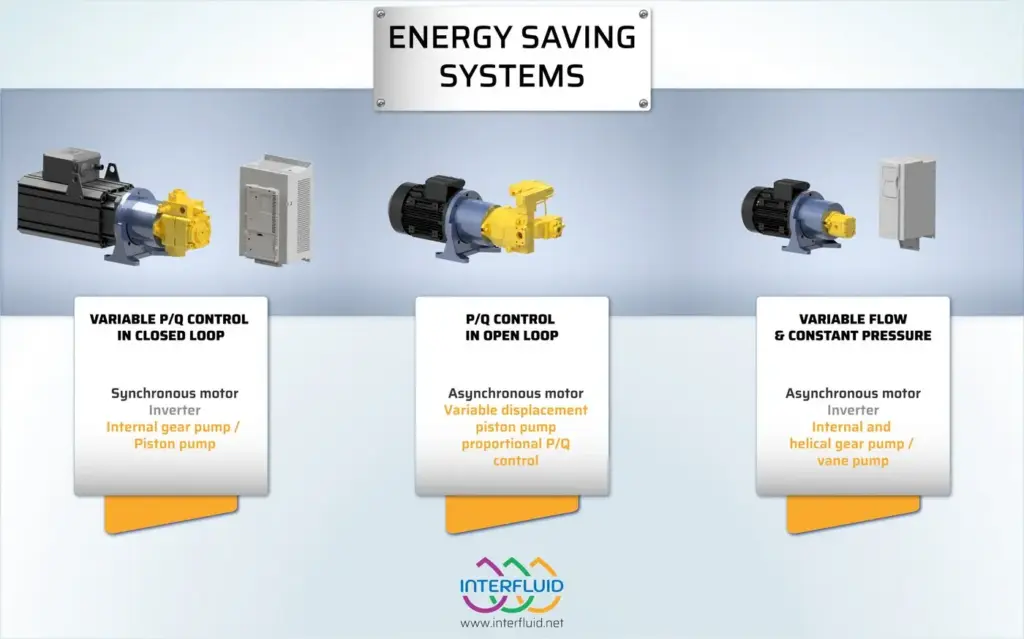
Energy Saving Systems (ESS) differentiates itself through a blend of rigorous certification, streamlined logistics, and customer‑centric financing options.
Certified Technicians and Licensing
All ESS installers hold a Texas Electrical Contractor License (TEC‑001) and are NABCEP‑certified (North American Board of Certified Energy Practitioners). This dual credential ensures that every connection, from the solar inverter to the disconnect switch, adheres to the latest safety standards. Moreover, ESS technicians undergo quarterly training on emerging technologies such as micro‑inverters and power‑optimizers, keeping the workforce adept at extracting the highest possible performance from each panel.
Ready‑to‑Install Packages
ESS offers “ready‑to‑install” kits that bundle pre‑engineered mounting rails, pre‑wired junction boxes, and a matched string inverter. The kits are pre‑approved for Houston’s zoning ordinances, cutting the permitting timeline from an average of 30 days to under 10 days. Customers receive a single point of contact who coordinates delivery, site inspection, and final commissioning, eliminating the fragmented experience common with multiple subcontractors.
Step‑by‑Step Guide to a Seamless Installation
Following a structured process minimizes risk and accelerates the transition to clean energy.
- Initial Consultation & Site Survey. ESS conducts a remote solar assessment using LiDAR data, followed by an on‑site visit to verify roof integrity and shading.
- Design & Proposal. Using the survey data, engineers generate a layout that maximizes solar gain while complying with Houston’s fire‑rating standards. The proposal includes an itemized cost breakdown, expected ROI, and projected annual production.
- Financing & Incentive Application. ESS assists with federal Investment Tax Credit (ITC) paperwork, Texas Renewable Energy Credit (REC) enrollment, and optional PACE (Property Assessed Clean Energy) financing.
- Permitting & Utility Coordination. The dedicated project manager submits all documents to the City of Houston Development Services and initiates the net‑metering interconnection request.
- Installation. Certified technicians install the ready‑to‑install kit within 2‑3 business days, perform a final safety inspection, and connect the system to the grid.
- Commissioning & Monitoring. A 24‑hour performance test validates that the inverter is operating within the manufacturer’s efficiency range (typically 96‑98%). Homeowners receive access to a cloud‑based portal for real‑time production monitoring.
Real‑World Case Studies from Houston and Beyond
Case Study 1: Suburban Homeowner, Katy, TX
Maria Gonzalez, a 42‑year‑old teacher, opted for a 7 kW system to replace her aging electric water heater with a solar‑powered heat pump. Within six months, her utility bill dropped from $250 to $85 per month, delivering a 68% reduction. The system’s net‑metering credits covered 15% of her electricity consumption during winter, illustrating the year‑round value of a well‑designed grid‑tied system.
Case Study 2: Commercial Warehouse, Downtown Houston
A 30,000 sq ft distribution center partnered with ESS for a 150 kW commercial array. The project leveraged the Texas Commercial Solar Incentive Program, which offered a 3% rebate on installed capacity. By 2026, the warehouse reported annual savings of $42,000, shortening the payback period to 5.3 years—well below the industry average of 7‑9 years.
Similar successes have been documented in other markets. For instance, the Premium Solar Panel Installation San Diego project achieved a 72% reduction in electricity costs for a coastal medical clinic, while the Top Rated Solar Panel Installation Denver case study highlighted the importance of high‑altitude inverter cooling for maximizing output.
Common Pitfalls and How to Avoid Them
- Ignoring Roof Condition. Installing panels on compromised roofing leads to water ingress and premature warranty claims. ESS conducts a comprehensive roof inspection and recommends repairs before installation.
- Undersizing the Inverter. Selecting an inverter with insufficient capacity can throttle production during peak sunlight. Certified installers perform a load analysis to match inverter rating to the array’s DC capacity.
- Overlooking Future Expansion. Many homeowners later add battery storage. ESS designs conduit pathways and panel spacing to accommodate future upgrades without costly re‑engineering.
- Neglecting Maintenance Plans. Dust, bird droppings, and foliage can reduce output by up to 5% annually. ESS offers an optional annual cleaning and performance audit service to sustain efficiency.
Frequently Asked Questions
What is the typical timeline from contract signing to commissioning?
For most residential projects, the process takes 2‑4 weeks after permitting approval, thanks to ESS’s ready‑to‑install kits and streamlined utility coordination.
Can I install the system myself to save on labor costs?
DIY installations often void manufacturer warranties and may not meet Houston’s fire‑rating standards. Professional installation guarantees compliance, protects incentives, and usually results in higher overall savings.
How does net‑metering work in Houston?
Under CenterPoint Energy’s net‑metering policy, surplus electricity generated by your system is credited at the retail rate, effectively rolling over to offset future consumption. Credits are applied monthly and settle annually on your utility bill.
What financing options are available?
ESS partners with local banks to offer 0% interest loans, PACE financing, and power‑purchase agreements (PPAs). The federal ITC provides a 30% tax credit for systems placed in service before the end of 2026, further reducing upfront costs.
Will my solar panels work during a Texas winter storm?
Yes. While production dips due to reduced sunlight, modern panels maintain over 80% efficiency at temperatures as low as 0 °C. Additionally, a grid‑tied system continues to draw power from the utility when solar output is insufficient.
Conclusion: The Smart Path to Energy Independence
Houston’s soaring electricity rates and abundant sunshine create a compelling case for solar adoption. By choosing a professional provider like Energy Saving Systems, residents and businesses can bypass common installation hurdles, capitalize on federal and state incentives, and secure a reliable, clean power source that delivers tangible financial returns. The ready‑to‑install model eliminates guesswork, accelerates deployment, and ensures that every kilowatt‑hour generated contributes directly to lower bills and a greener grid.
Ready to transform your roof into a revenue‑generating asset? Contact Energy Saving Systems today for a free, no‑obligation quote and discover how quickly you can start saving.
For those balancing education costs with sustainability goals, exploring opportunities such as Scholarships for Medical Coding and Billing USA Accredited Programs can free up budget to invest in a solar retrofit.