Investing in solar panel installation is the most reliable pathway to achieve long‑term energy independence because it transforms intermittent sunlight into a predictable, on‑site power source that shields households and businesses from volatile utility rates. By leveraging modern photovoltaic (PV) technology, owners can lock in near‑zero electricity costs for decades while contributing to a resilient, renewable grid. For those ready to act now, getting the best‑price solar panel installation fast is the first practical step toward lasting autonomy.
Why Solar Installation Is the Cornerstone of Energy Autonomy
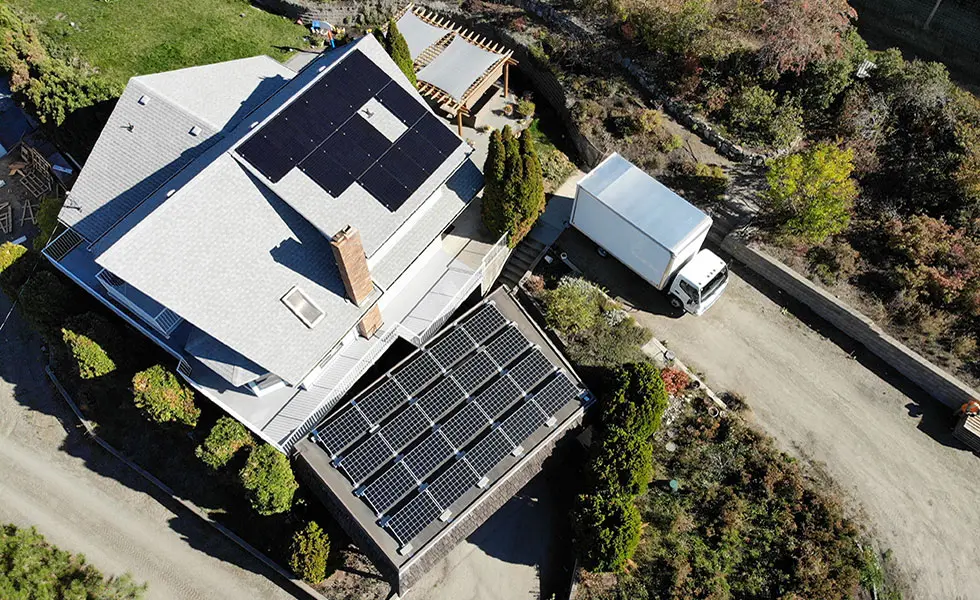
Energy independence is no longer a futuristic ideal; it is a tangible outcome supported by data. According to the U.S. Energy Information Administration (EIA) 2026 report, residential electricity prices are projected to rise an average of 3.2% per year through 2035. Over a 25‑year horizon, that translates to a cumulative increase of more than 100% in utility bills. Solar panels, with an average degradation rate of just 0.5% per year, provide a stable, self‑generated supply that offsets these hikes.
Table of Contents
- Why Solar Installation Is the Cornerstone of Energy Autonomy
- Key Financial Benefits Beyond the Initial Outlay
- Strategic Steps to Secure Long‑Term Energy Independence
- 1. Conduct a Site‑Specific Solar Feasibility Study
- 2. Choose Certified Installers With Proven Track Records
- 3. Optimize System Design for Future Expansion
- 4. Secure Financing That Aligns With Cash‑Flow Goals
- 5. Register for Net‑Metering and Grid‑Interaction Programs
- Real‑World Success Stories Illustrating Sustainable Autonomy
- Common Pitfalls and How to Avoid Them
- Future Outlook: Solar as the Backbone of a Decarbonized Grid
- Actionable Checklist for Immediate Implementation
- Where to Find Expert Assistance Today
Furthermore, the International Renewable Energy Agency (IRENA) highlighted that global solar PV capacity grew by 23% in 2025 alone, driven by falling module prices—down 68% since 2010—and improved efficiency. This cost trajectory means the payback period for a typical 6 kW residential system in the United States now averages 5–7 years, after which the owner enjoys virtually free electricity.
Key Financial Benefits Beyond the Initial Outlay

When evaluating any long‑term investment, the total cost of ownership (TCO) is paramount. Solar installations deliver three core financial advantages:
- Reduced Energy Bills: A 2026 NREL analysis shows an average annual savings of $1,200 for a mid‑size home in sunny regions, equating to over $30,000 in savings across a 25‑year system life.
- Tax Incentives and Rebates: The federal Investment Tax Credit (ITC) remains at 30% for projects started before the end of 2026, while many states, such as California and Texas, offer additional rebates that can shave another 5–10% off the net cost.
- Increased Property Value: Real‑estate data from Zillow (2026) indicates that homes with solar panels sell for an average premium of 4.1% compared with comparable non‑solar properties.
Strategic Steps to Secure Long‑Term Energy Independence
1. Conduct a Site‑Specific Solar Feasibility Study
A professional assessment determines the optimal system size, orientation, and shading constraints. Tools such as the National Renewable Energy Laboratory’s (NREL) PVWatts Calculator provide an accurate estimate of expected generation based on local irradiance data. This step also uncovers any structural upgrades needed for roof integrity, ensuring the installation will endure for decades.
2. Choose Certified Installers With Proven Track Records
Quality matters. Installers listed by the North American Board of Certified Energy Practitioners (NABCEP) adhere to rigorous standards for design and safety. For example, Professional Solar Panel Installation in Houston highlights a network of licensed professionals who routinely pass third‑party performance audits, guaranteeing that the system will operate at its rated efficiency.
3. Optimize System Design for Future Expansion
When planning for independence, consider battery storage from the outset. The 2026 U.S. Department of Energy (DOE) forecast predicts that battery costs will fall below $100 per kilowatt‑hour by 2027, making it economically viable to add storage later. Designing the inverter and wiring to accommodate a 10‑15 kWh battery bank now avoids costly retrofits.
4. Secure Financing That Aligns With Cash‑Flow Goals
Many owners leverage zero‑interest solar loans or power purchase agreements (PPAs) to minimize upfront capital. A recent study by the Solar Energy Industries Association (SEIA) shows that 62% of new residential installations in 2026 were financed through low‑rate loans, reducing the breakeven point to under 4 years.
5. Register for Net‑Metering and Grid‑Interaction Programs
Most utilities still honor net‑metering, allowing excess solar generation to be credited against future consumption. In states like Florida, the credit rate equals the full retail price, effectively turning the grid into a virtual battery. Engaging with local utility programs ensures you capture every possible kilowatt‑hour of value.
Real‑World Success Stories Illustrating Sustainable Autonomy
Consider the case of a commercial warehouse in Denver that partnered with a local installer to deploy a 250 kW rooftop system in early 2025. Within the first year, the facility reduced its electricity bill by 78%, saving $45,000. By 2026, the owner reported a 95% reduction in grid reliance, enabling the business to operate uninterrupted during a regional power outage caused by extreme weather.
In the residential sector, a homeowner in San Diego opted for a 7 kW system paired with a 13 kWh lithium‑ion battery. The combined setup delivered 98% self‑consumption of generated power, and during the August 2026 heatwave, the property remained fully powered while neighboring homes experienced blackouts.
Common Pitfalls and How to Avoid Them
- Undersizing the System: A frequent mistake is selecting a system that only covers a fraction of the annual load. Conduct a thorough energy audit to match the system’s capacity with historical consumption patterns.
- Neglecting Roof Condition: Installing panels on a deteriorating roof can lead to costly repairs later. Ensure the roof is repaired or replaced before the PV modules are mounted.
- Skipping Permitting or Interconnection Processes: Delays often arise from incomplete paperwork. Work with installers who manage permits, utility approvals, and inspections to keep the project on schedule.
- Overlooking Maintenance: While solar panels are low‑maintenance, periodic cleaning and inverter checks preserve performance. A maintenance contract can safeguard the system’s output over its lifetime.
Future Outlook: Solar as the Backbone of a Decarbonized Grid
The 2026 International Energy Agency (IEA) scenario projects that solar PV will account for 35% of global electricity generation by 2030, up from 24% in 2022. This shift is propelled by advances in bifacial modules, perovskite‑silicon tandem cells, and AI‑driven performance monitoring. As the grid decarbonizes, solar‑powered homes and businesses will become essential nodes of resilience, capable of feeding excess power back into the network and supporting community microgrids during emergencies.
For stakeholders seeking to future‑proof their energy strategy, the logical move is to lock in today’s favorable economics before policy incentives taper. By integrating solar panel installation into a broader sustainability roadmap, owners not only achieve independence but also position themselves as leaders in the transition to a clean‑energy economy.
Actionable Checklist for Immediate Implementation
- Run a solar savings calculator (e.g., NREL PVWatts) using your address to estimate annual production.
- Schedule a site audit with a NABCEP‑certified installer; request a detailed proposal including equipment specs, warranties, and timeline.
- Review federal and state incentive programs; apply for the ITC and any local rebates before signing the contract.
- Decide on financing—cash, loan, or PPA—based on cash‑flow analysis and desired payback period.
- Plan for future storage by specifying inverter capacity and conduit space for battery integration.
- Finalize interconnection agreements with your utility; confirm net‑metering eligibility.
- Set up a maintenance schedule and monitor performance via the installer’s monitoring portal.
By following this roadmap, you can transition from dependence on utility price fluctuations to a self‑sustaining energy ecosystem that delivers predictable savings and environmental stewardship for the next generation.
Where to Find Expert Assistance Today
If you are ready to begin, consider contacting local experts who specialize in rapid, incentive‑ready deployments. Options include booking a solar panel installation service today for immediate cost reduction, or exploring regional specialists such as Premium Solar Panel Installation in San Diego for customized solutions that align with local regulations and climate conditions.
Investing in solar panel installation today is more than a financial decision—it is a strategic commitment to energy sovereignty, climate resilience, and long‑term economic stability. The technology, incentives, and expertise are all in place; the decisive factor now is taking the first step toward a brighter, independent future.