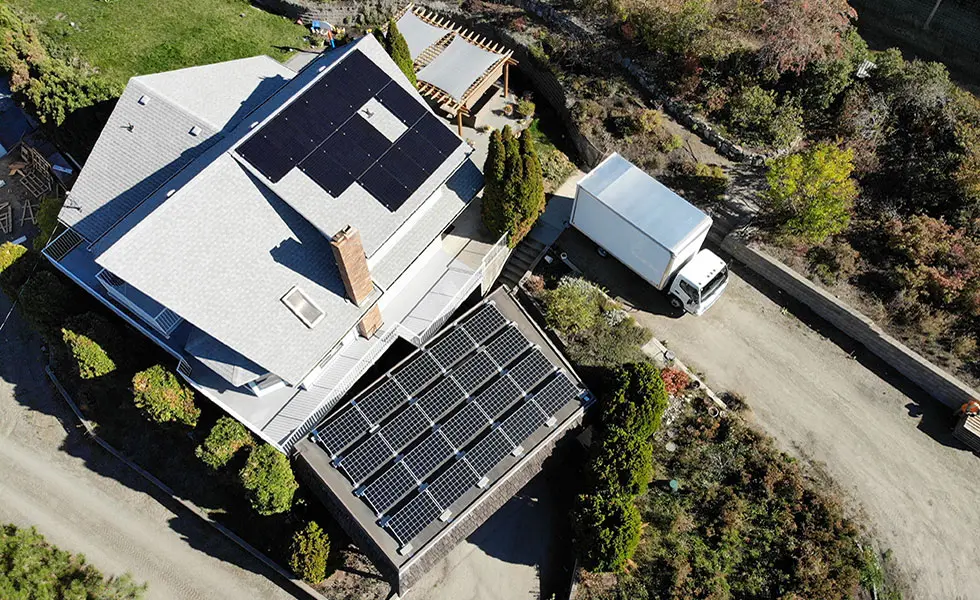
Investing in solar panel installation is the most reliable pathway to achieve long‑term energy independence because it transforms intermittent sunlight into a predictable, on‑site power source that shields households and businesses from volatile utility rates. By leveraging modern photovoltaic (PV) technology, owners can lock in near‑zero electricity costs for decades while contributing to a resilient, renewable grid. For those ready to act now, getting the best‑price solar panel installation fast is the first practical step toward lasting autonomy.
Why Solar Installation Is the Cornerstone of Energy Autonomy
Energy independence is no longer a futuristic ideal; it is a tangible outcome supported by data. According to the U.S. Energy Information Administration (EIA) 2026 report, residential electricity prices are projected to rise an average of 3.2% per year through 2035. Over a 25‑year horizon, that translates to a cumulative increase of more than 100% in utility bills. Solar panels, with an average degradation rate of just 0.5% per year, provide a stable, self‑generated supply that offsets these hikes.
Furthermore, the International Renewable Energy Agency (IRENA) highlighted that global solar PV capacity grew by 23% in 2025 alone, driven by falling module prices—down 68% since 2010—and improved efficiency. This cost trajectory means the payback period for a typical 6 kW residential system in the United States now averages 5–7 years, after which the owner enjoys virtually free electricity.
Table of Contents
- Why Solar Installation Is the Cornerstone of Energy Autonomy
- Key Financial Benefits Beyond the Initial Outlay
- Strategic Steps to Secure Long‑Term Energy Independence
- 1. Conduct a Site‑Specific Solar Feasibility Study
- 2. Choose Certified Installers With Proven Track Records
- 3. Optimize System Design for Future Expansion
Key Financial Benefits Beyond the Initial Outlay

When evaluating any long‑term investment, the total cost of ownership (TCO) is paramount. Solar installations deliver three core financial advantages:
- Reduced Energy Bills: A 2026 NREL analysis shows an average annual savings of $1,200 for a mid‑size home in sunny regions, equating to over $30,000 in savings across a 25‑year system life.
- Tax Incentives and Rebates: The federal Investment Tax Credit (ITC) remains at 30% for projects started before the end of 2026, while many states, such as California and Texas, offer additional rebates that can shave another 5–10% off the net cost.
- Increased Property Value: Real‑estate data from Zillow (2026) indicates that homes with solar panels sell for an average premium of 4.1% compared with comparable non‑solar properties.
Strategic Steps to Secure Long‑Term Energy Independence
1. Conduct a Site‑Specific Solar Feasibility Study
A professional assessment determines the optimal system size, orientation, and shading constraints. Tools such as the National Renewable Energy Laboratory’s (NREL) PVWatts Calculator provide an accurate estimate of expected generation based on local irradiance data. This step also uncovers any structural upgrades needed for roof integrity, ensuring the installation will endure for decades.
2. Choose Certified Installers With Proven Track Records
Quality matters. Installers listed by the North American Board of Certified Energy Practitioners (NABCEP) adhere to rigorous standards for design and safety. For example, Professional Solar Panel Installation in Houston highlights a network of licensed professionals who routinely pass third‑party performance audits, guaranteeing that the system will operate at its rated efficiency.
3. Optimize System Design for Future Expansion
When planning for independence, consider battery storage from the outset. The 2026 U.S. Department of Energy (DOE) forecast predicts that battery costs will fall below $100 per kilowatt‑hour by 2027, making it economically viable to add storage later. Designing the inverter and wiring to accommodate a 10‑15 kWh battery bank now avoids costly retrofits.