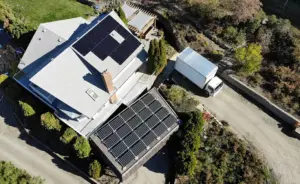
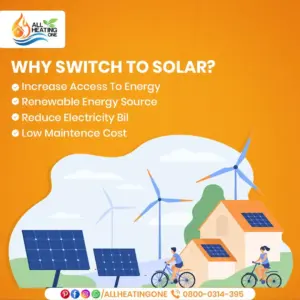
To book a solar panel installation service and start cutting energy costs immediately, the most effective approach is to partner with a certified installer who can assess your property, design a custom solar energy system, and handle permits, financing, and grid‑tie integration—all in one seamless process. This method delivers rapid ROI because it leverages the latest 2026 incentive structures, high‑efficiency modules, and professional maintenance plans, ensuring your electricity bill drops as soon as the system is commissioned. For a step‑by‑step roadmap, see how Switch to Solar Panel Installation and Cut Electricity Bills Today – Proven Steps & Savings translates theory into measurable savings.
Why Booking a Professional Installation Now Is Critical
Homeowners and businesses are facing unprecedented electricity price hikes, with the U.S. Energy Information Administration reporting a 9 % increase in residential rates in 2025 alone. Delaying solar adoption means paying more for each kilowatt‑hour while missing out on federal tax credits and state rebates that are set to phase down after 2026. A professional installer not only guarantees compliance with local building codes but also optimizes panel orientation, shading analysis, and inverter selection—factors that directly affect your solar energy system’s performance and the speed at which you see energy bill reduction.
- Regulatory expertise: Navigates permits, interconnection agreements, and net‑metering policies.
- Technical precision: Uses solar design software to model output under various weather conditions.
- Financial advantage: Aligns your project with renewable energy incentives, such as the Inflation‑Reduction Act’s 30 % Investment Tax Credit (ITC).
Real‑World Savings: Case Studies from Across the U.S.

Table of Contents
- Why Booking a Professional Installation Now Is Critical
- Real‑World Savings: Case Studies from Across the U.S.
- Houston, Texas – Professional Solar Panel Installation in Houston
- San Diego, California – Premium Solar Panel Installation San Diego
- Miami, Florida – Trusted Florida Solar Panel Installation Company
- 2026 Market Data & Incentive Landscape
- Step‑by‑Step Guide to Booking and Getting Started
- Common Pitfalls and How to Avoid Them
- Frequently Asked Questions (FAQ)
- How soon will I see a reduction in my electricity bill?
- Can I install solar panels myself to save on labor costs?
- What happens during a power outage?
- Is solar a good investment for renters?
- Will my property value increase after installing solar?
- Next Steps: Secure Your Installation Today
Data from the Solar Energy Industries Association (SEIA) shows that the average residential system installed in 2026 saves $1,400–$1,800 per year on electricity costs. Below are three illustrative examples that demonstrate how booking a qualified service translates into tangible financial benefits.
Houston, Texas – Professional Solar Panel Installation in Houston
A 6 kW rooftop system installed for a manufacturing plant in Houston reduced its monthly utility bill from $1,200 to $460, achieving a 62 % reduction. The project qualified for both the federal ITC and Texas’s Solar Renewable Energy Credit (SREC), delivering a net‑present‑value (NPV) gain of $12,300 over 20 years.
San Diego, California – Premium Solar Panel Installation San Diego
In a residential neighborhood, a 4.5 kW system paired with a battery storage unit cut the homeowner’s electricity expense by 78 % during peak summer months, when rates are highest. The combined incentive package, including California’s Self‑Generation Incentive Program (SGIP), lowered the upfront cost by $4,200.
Miami, Florida – Trusted Florida Solar Panel Installation Company
For a beachfront condo association, a 10 kW community solar array delivered an average savings of $3,500 per unit annually. The project leveraged Florida’s Property Assessed Clean Energy (PACE) financing, allowing the association to spread payments over a 15‑year term without upfront capital.
2026 Market Data & Incentive Landscape
According to the National Renewable Energy Laboratory (NREL), the average cost of residential solar installations fell to $2.65 per watt in 2026, a 14 % drop from 2024. Coupled with the continuation of state‑level rebates and the federal ITC, the payback period for most residential systems now averages 5.5 years, compared with 8 years a decade ago.
Key incentive highlights for 2026 include:
- Federal Investment Tax Credit (ITC): 30 % credit available through 2032, with a step‑down to 22 % in 2033.
- State rebates: California’s “Solar on Multifamily” program (up to $1,500 per kW), New York’s NY-Sun (up to $2,000 per kW), and Texas’s “Solar for All” grant (up to $1,200 per system).
- Net‑metering policies: Most states now allow full retail credit for excess generation, accelerating savings.
Step‑by‑Step Guide to Booking and Getting Started
Following a structured process ensures you capture every available dollar and avoid common delays.
- Assess Your Energy Profile: Gather recent electricity bills (last 12 months) to determine average consumption in kWh.
- Choose a Certified Installer: Look for NABCEP‑certified professionals; their expertise guarantees compliance and optimal system design.
- Request a Free Site Survey: The installer will conduct shading analysis, roof structural assessment, and grid interconnection feasibility.
- Review the Proposal: Compare equipment specs (monocrystalline vs. polycrystalline), warranty terms, and projected ROI.
- Secure Financing & Incentives: Apply for the ITC, state rebates, and consider PACE or solar loans for zero‑down options.
- Sign the Contract & Schedule Installation: Most reputable firms can complete a typical residential install within 2–3 weeks after permitting.
- Commission & Monitor Performance: Use the installer’s monitoring portal to track real‑time production and confirm expected savings.
Common Pitfalls and How to Avoid Them
Even seasoned property owners can stumble during the solar adoption journey. Below are frequent errors and corrective actions.
- Ignoring Roof Condition: Failing to repair or replace a deteriorating roof before installation can lead to future leaks and costly re‑work. Solution: Schedule roof inspection during the site survey.
- Underestimating Energy Usage: Designing a system that’s too small yields minimal savings. Solution: Use a detailed consumption analysis and factor in future load growth (e.g., electric vehicle charging).
- Choosing Low‑Quality Inverters: Inverters are the “brain” of the system; cheap models can reduce efficiency. Solution: Opt for reputable brands with at least a 10‑year warranty.
- Neglecting Maintenance Plans: Dust, debris, and occasional panel degradation affect output. Solution: Enroll in a maintenance agreement that includes cleaning and performance checks.
Frequently Asked Questions (FAQ)
How soon will I see a reduction in my electricity bill?
Most customers notice a 20–30 % drop after the first billing cycle post‑commissioning, with the full effect (40–70 % reduction) manifesting within six months, depending on system size and local net‑metering policies.
Can I install solar panels myself to save on labor costs?
While DIY kits exist, professional installation is recommended for compliance, warranty protection, and optimal system performance. Improper installation can void equipment warranties and result in safety hazards.
What happens during a power outage?
Grid‑tied systems automatically shut down for safety unless paired with a battery storage solution that supports backup mode. Installing a compatible inverter with a built‑in battery (e.g., Tesla Powerwall) ensures continuous power for essential loads.
Is solar a good investment for renters?
Renters can benefit through community solar or lease agreements where a third party owns the panels and the renter receives a credit on their utility bill. This model bypasses the need for property ownership.
Will my property value increase after installing solar?
Multiple studies, including a 2025 Zillow analysis, show that homes with solar panels sell for an average of 4.1 % more than comparable non‑solar homes, reflecting the added asset of reduced operating costs.
Next Steps: Secure Your Installation Today
Booking a solar panel installation service is no longer a distant ambition—it’s an actionable, financially sound decision that can be executed within weeks. By aligning with a qualified installer, leveraging 2026 incentives, and following the proven steps outlined above, you position yourself to reap immediate energy cost savings and contribute to a cleaner grid.
Ready to transform your energy expenses? Explore other region‑specific solutions such as Professional Solar Panel Installation in Houston or discover how trusted Florida solar experts tailor projects for both residential and commercial clients. The sooner you act, the faster you’ll see your utility bills shrink and your carbon footprint diminish.
For more detailed information on federal incentives, visit the IRS Solar Energy Tax Credit page and the National Renewable Energy Laboratory (NREL) website.