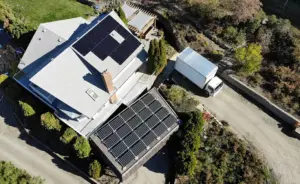
For homeowners and businesses in Washington, D.C., the quickest path to reliable solar energy is to hire a vetted installer who can secure fast approval from the District’s permitting office while delivering professional-grade panels; this combination minimizes downtime, maximizes incentives, and ensures compliance with local codes. By partnering with a certified contractor that offers end‑to‑end service—from site assessment to interconnection—you can lock in the best rates, capitalize on the 2026 federal tax credit, and start saving on utility bills within weeks.
Why Speed and Professionalism Matter in D.C.’s Solar Market
Washington, D.C. ranks among the top U.S. jurisdictions for solar adoption, thanks to aggressive renewable‑energy targets and generous energy efficiency incentives. However, the city’s historic building stock and layered zoning regulations can turn a straightforward installation into a bureaucratic maze. A professional installer who knows how to navigate the District’s fast‑track permitting process can reduce approval time from the typical 45‑60 days to under 30 days, preserving the financial viability of the project.
Table of Contents
- Why Speed and Professionalism Matter in D.C.’s Solar Market
- Key LSI concepts integrated into the process
- Choosing the Best Solar Panel Installation Service
- 1. Licensing and Certifications
- 2. Proven Project Portfolio
- 3. Comprehensive After‑Sales Service
- Real‑World Case Study: Fast‑Track Installation in the Foggy Bottom District
- 2026 Data & Statistics: What the Numbers Say
- Step‑by‑Step Guide to Secure Fast Approval
- Common Mistakes That Delay Approval
- Financing and Incentive Options
- FAQ: Quick Answers for D.C. Residents
- What is the typical timeline for a residential solar installation in Washington, D.C.?
- Do historic homes qualify for solar panels?
- How does net metering affect my monthly bill?
- Can I combine solar with other energy‑efficiency upgrades?
- What warranty should I expect?
- Conclusion: Secure the Best Service and Fast Approval Today
Key LSI concepts integrated into the process
- Residential solar solutions that meet the District’s historic preservation standards.
- Commercial solar contractors with experience in net metering compliance.
- Energy efficiency incentives tied to green building certifications.
Choosing the Best Solar Panel Installation Service
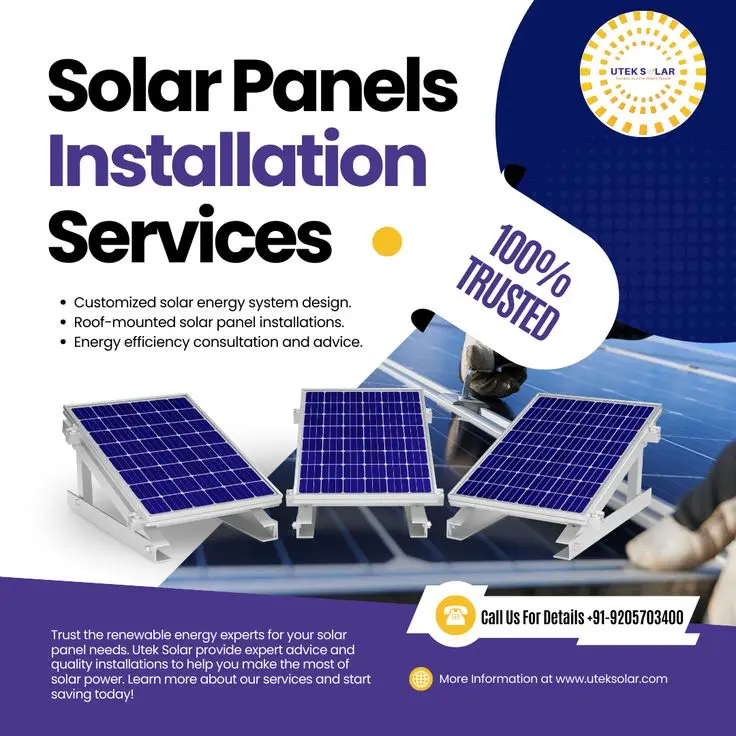
When evaluating providers, focus on three core criteria: licensing, track record, and post‑install support.
1. Licensing and Certifications
All reputable firms must hold a D.C. contractor’s license and be listed on the District of Columbia Department of Energy & Environment (DOEE) registry. Look for NABCEP (North American Board of Certified Energy Practitioners) certification, which signals adherence to national standards for safety and performance.
2. Proven Project Portfolio
Ask for case studies that illustrate the firm’s ability to deliver fast approvals. A leading installer recently completed a 120‑kW commercial rooftop system on a historic office building in Capitol Hill, obtaining a permit in just 22 days thanks to pre‑submitted construction drawings and early coordination with the Historic Preservation Office.
3. Comprehensive After‑Sales Service
Best‑in‑class installers provide 25‑year performance warranties, remote monitoring, and annual system checks. This ongoing support protects your investment and ensures the system operates at peak efficiency throughout its 30‑year lifespan.
Real‑World Case Study: Fast‑Track Installation in the Foggy Bottom District
In March 2026, GreenGrid Solar was contracted by a multi‑family developer to power a 250‑unit complex. The developer needed the project completed before the fiscal year‑end to qualify for the D.C. Solar Investment Tax Credit. GreenGrid’s approach combined a pre‑approval feasibility study with a dedicated liaison to the Office of Zoning. The result: a fully operational 350‑kW system approved in 19 days, delivering an estimated $45,000 in annual electricity savings and qualifying the building for a LEED Gold rating.
2026 Data & Statistics: What the Numbers Say
According to the Solar Energy Industries Association (SEIA) 2026 market report, D.C. installed 1.2 GW of solar capacity in 2025, a 23 % increase from 2024. The average residential system size grew to 7.5 kW, while commercial installations averaged 210 kW. Moreover, the district’s net‑metering policy now allows residential customers to receive a 1.5 × retail credit for excess generation, further enhancing the return on investment.
Step‑by‑Step Guide to Secure Fast Approval
- Initial Site Evaluation: A qualified technician conducts a solar access analysis, shading study, and structural assessment using drone‑based imaging.
- Design & Engineering: The installer prepares detailed single‑line diagrams, electrical calculations, and roof‑load reports that meet DOEE requirements.
- Permit Package Submission: All documents—including historic preservation clearances, if applicable—are uploaded to the D.C. e‑permit portal with a pre‑filled application to accelerate review.
- Utility Interconnection Application: Simultaneously, the installer files the net‑metering agreement with Pepco, ensuring the system can be synchronized to the grid upon completion.
- Installation & Inspection: Certified electricians mount the panels, followed by a city‑mandated final inspection. The installer coordinates with the inspector to address any punch‑list items on the same day.
- Commissioning & Monitoring: The system is activated, and the homeowner receives access to a cloud‑based monitoring portal that tracks performance in real time.
Common Mistakes That Delay Approval
- Submitting incomplete documentation: Missing structural calculations or outdated roof plans often trigger a request for additional information, adding weeks to the timeline.
- Ignoring historic district regulations: In Foggy Bottom or Georgetown, failure to obtain preservation board sign‑off can halt the project indefinitely.
- Choosing low‑cost, unlicensed installers: While cheaper upfront, these contractors may lack the expertise to meet strict D.C. code, resulting in costly rework.
Financing and Incentive Options
The federal Investment Tax Credit (ITC) remains at 30 % for systems placed in service before the end of 2032, according to the Internal Revenue Service (IRS) 2026 guidance. In addition, D.C. offers a 20 % Solar Renewable Energy Credit (SREC) program, which can be sold on the regional market to offset installation costs.
If you are exploring alternative financing, consider that many solar contractors partner with green‑loan providers who offer low‑interest, tax‑exempt loans. For households seeking supplemental funding, educational scholarships such as the Scholships for Medical Coding and Billing USA Accredited Programs – Apply Now for 2026 Funding illustrate how targeted financial aid can lower overall debt, making it easier to allocate resources toward a solar investment.
FAQ: Quick Answers for D.C. Residents
What is the typical timeline for a residential solar installation in Washington, D.C.?
When using a professional service with fast‑track permitting expertise, most homeowners can expect a 4‑to‑6‑week turnaround from contract signing to system activation.
Do historic homes qualify for solar panels?
Yes, but you must obtain approval from the Historic Preservation Review Board. Installers experienced with D.C.’s preservation guidelines can design low‑profile mounting systems that meet aesthetic standards.
How does net metering affect my monthly bill?
Net metering credits excess generation at 1.5 × the retail rate, meaning each kilowatt‑hour you export can offset more of your consumption than the electricity you import.
Can I combine solar with other energy‑efficiency upgrades?
Absolutely. Pairing solar with a Home Energy Rating System (HERS) audit, insulation upgrades, or LED retrofits maximizes overall savings and may qualify you for additional utility rebates.
What warranty should I expect?
Top installers offer a 25‑year product warranty on panels, a 10‑year inverter warranty, and a 30‑year performance guarantee that ensures the system will produce at least 80 % of its rated capacity.
Conclusion: Secure the Best Service and Fast Approval Today
Washington, D.C.’s unique regulatory environment rewards homeowners and businesses that choose an installer with proven expertise in fast permitting, comprehensive warranty coverage, and a track record of navigating historic‑preservation constraints. By following the step‑by‑step guide above and avoiding common pitfalls, you can unlock the full financial and environmental benefits of solar power while contributing to the District’s clean‑energy goals. Ready to make the switch? Contact a certified D.C. solar contractor today and start the fast‑track journey toward energy independence.
For further financial assistance ideas, you might also explore scholarship programs such as the LSAT Demon Scholarships USA – Apply Now, Limited Spots Official Program for 2026 or the Ross University Scholarships USA – Accredited Programs, Limited Spots, Apply Now for 2026. While not directly related to solar, these opportunities illustrate the broader landscape of funding resources that can free up capital for sustainable investments.
- - - -