Denver, Colorado – Maximizing Incentives in a High‑Altitude Climate
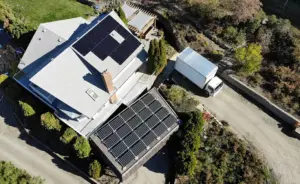
A family in Denver leveraged a limited‑time discount from a regional installer to add a 6.5 kW array to their home. Because of Colorado’s additional 10% state tax credit, their effective out‑of‑pocket expense dropped to $11,600. Over the next 20 years, the system is projected to generate 105,000 kWh, offsetting approximately $21,000 in utility costs, according to the Colorado Department of Regulatory Agencies solar incentives calculator.
Common Mistakes to Avoid
- Skipping the Energy Audit: Over‑sizing leads to unnecessary expense; under‑sizing reduces expected savings.
- Ignoring Future Energy Needs: Home expansions or electric vehicle (EV) charging stations require additional capacity; plan for a 20% buffer.
- Choosing the Cheapest Installer: Low‑ball bids often omit essential components such as proper mounting hardware or comprehensive warranties.
- Delaying Permit Submission: Late permits can push the installation past the offer deadline, nullifying the discount.
- Neglecting Maintenance: While solar panels are low‑maintenance, periodic cleaning and inverter checks preserve efficiency.
FAQ – Quick Answers to the Most Pressing Questions
How long does the installation process take?
From contract signing to commissioning, a typical residential project spans 3–6 weeks, assuming permits are approved promptly.
What warranties are standard?
Most reputable installers provide a 25‑year performance warranty for the panels and a 10‑year warranty on inverters. Always verify that the warranty covers both product defects and power output guarantees.
Table of Contents
- Denver, Colorado – Maximizing Incentives in a High‑Altitude Climate
- Common Mistakes to Avoid
- FAQ – Quick Answers to the Most Pressing Questions
- How long does the installation process take?
- What warranties are standard?
- Can I combine a limited‑time promotional price with existing rebates?
- Will a solar system increase my home’s resale value?
- Is financing better than paying cash?
- Take Action Now – Don’t Let the Offer Slip Away
Can I combine a limited‑time promotional price with existing rebates?
Yes. Promotional pricing usually applies to the base hardware and labor cost, while federal, state, and utility rebates are applied on top of that amount.
Will a solar system increase my home’s resale value?
Studies by the National Association of Realtors (2025) show homes with solar installations sell for an average of 4.1% more than comparable homes without solar.
Is financing better than paying cash?
If you have sufficient liquidity, a cash purchase maximizes the ITC benefit and eliminates interest. However, a low‑interest loan can preserve cash flow while still capturing the tax credit, especially when the loan term aligns with the system’s payback period.
Take Action Now – Don’t Let the Offer Slip Away
Time‑sensitive promotions are designed to accelerate adoption before incentives phase out. By acting swiftly, you lock in a reduced price, secure the full 30% federal tax credit, and position your household for decades of clean, affordable energy. For a fast, cost‑effective start, explore our best‑price solar panel installation resources, or book a solar panel installation service today to begin the journey toward lower bills and greater energy independence.
Remember, the best time to invest in solar was yesterday; the second‑best time is now—while the limited‑time offer still stands.