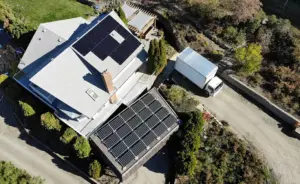
4. Obtain Permits and Interconnection Approval
Certified local installers handle the paperwork for building permits, electrical inspections, and utility interconnection agreements. In most jurisdictions, the review process takes 10‑14 business days when documents are complete.
5. Installation Day
Installation typically spans 1‑3 days for residential projects. The crew will:
- Mount racking systems securely to your roof.
- Attach photovoltaic modules, ensuring correct tilt and azimuth.
- Wire modules to the inverter and connect the system to the main service panel.
- Run final diagnostics and commission the system for grid export.
6. Post‑Installation Monitoring and Maintenance
Modern systems include remote monitoring platforms that track real‑time production, allowing you to spot performance dips early. Most reputable installers offer a 10‑year warranty on inverters and a 25‑year performance guarantee on panels.
Table of Contents
Common Pitfalls and How Certified Installers Avoid Them
Even seasoned DIY enthusiasts can stumble into costly errors. Below are typical mistakes and the professional safeguards that prevent them.
Inadequate Shading Analysis
Overlooking nearby trees or future construction can slash output by up to 30%. Certified installers use LIDAR‑based site surveys and software like Aurora Solar to model shading over the entire year.
Poor Electrical Sizing
Undersized inverters lead to clipping losses, while oversized units waste capital. A qualified engineer performs a load‑flow analysis to match inverter capacity precisely to panel output.
Missing or Delayed Permit Submissions
Municipal offices often require specific documentation (e.g., structural calculations). Installers maintain a checklist of required forms, reducing the likelihood of a permit rejection.
Real‑World Success Stories
Below are three recent projects that illustrate the tangible benefits of partnering with certified local experts.