Cost Savings and Incentives in 2026
According to the California Energy Commission’s 2026 Solar Incentive Report, homeowners can claim up to a 26 % federal Investment Tax Credit (ITC) combined with a 10 % state rebate for systems under 10 kW. When layered with net‑metering credits, the effective payback period for a premium 6 kW residential system drops to 5‑6 years, well below the 8‑10 year range seen in 2023.
Commercial entities benefit from the California Self‑Generation Incentive Program (SGIP), which offers up to $0.60 per watt for energy storage paired with solar. Adding a 20 kWh battery to a 100 kW commercial array can shave an additional 15‑20 % off electricity bills during peak demand periods, a crucial advantage in a market where utility rates have risen 12 % year‑over‑year (California Public Utilities Commission, 2026).
Case Study: A San Diego Neighborhood Goes Solar
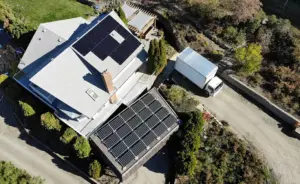
In the Mission‑Valley district, a homeowner association of 42 units collectively invested in a premium solar installation covering 250 kW. Licensed installers conducted a single, coordinated project that achieved a fast setup—the entire array was live within three weeks of contract signing. The result?
Table of Contents
- Cost Savings and Incentives in 2026
- Case Study: A San Diego Neighborhood Goes Solar
- Step‑by‑Step Guide to a Seamless Installation
- Common Pitfalls and How to Avoid Them
- Frequently Asked Questions
- What distinguishes a premium solar panel from standard models?
- How long does a “fast setup” actually take in San Diego?
- Annual generation: 345 MWh, offsetting 92 % of the community’s electricity use.
- Average bill reduction: $1,850 per household per year.
- Carbon avoidance: 210 metric tons of CO₂ annually, equivalent to planting 5,000 mature trees.
Insights from this project echo findings from the Trusted Florida Solar Panel Installation Company report, where collective bargaining and licensed expertise also accelerated deployment and maximized savings.
Step‑by‑Step Guide to a Seamless Installation
Following these actionable steps will help you navigate the process confidently:
- Assess Your Energy Profile: Review past 12 months of utility bills to determine average kWh consumption.
- Choose a Certified Provider: Verify C‑10 and C‑46 licenses; ask for references from recent premium installations.
- Request a Detailed Quote: Ensure the proposal includes panel efficiency, inverter type, mounting system, and warranty terms.
- Secure Financing: Explore 0‑% APR solar loans, power purchase agreements (PPAs), or the 26 % ITC.
- Finalize Design & Permits: Work with the installer’s in‑house permitting team to submit all required documents.
- Schedule Installation: Confirm a 48‑hour window for the crew; clear the roof and provide access to the electrical panel.
- Monitor Performance: Use the installer’s monitoring portal to track daily production, system health, and savings.
- Maintain Warranty: Schedule annual inspections and keep documentation of any service calls.
Common Pitfalls and How to Avoid Them
Even with licensed professionals, homeowners can encounter challenges. Below are frequent issues and preventive measures:
- Inadequate Roof Inspection: Failing to address roof repairs before installation can void warranties. Always obtain a certified roofing assessment.
- Underestimating Storage Needs: Pairing solar with a battery without proper load analysis leads to unnecessary costs. Conduct a thorough energy audit.
- Neglecting Net‑Metering Enrollment: Missing the enrollment window can forfeit credits. Submit the utility’s interconnection application within 10 days of system activation.
- DIY Wiring Mistakes: Unauthorized electrical work may breach Title 24. Insist that only licensed electricians perform final connections.
Frequently Asked Questions
What distinguishes a premium solar panel from standard models?
Premium panels use high‑purity monocrystalline silicon, feature anti‑PID (Potential Induced Degradation) coatings, and maintain >95 % of rated output after 25 years, whereas standard modules often drop to 80‑85 % performance over the same period.
How long does a “fast setup” actually take in San Diego?
With licensed installers handling permits and using pre‑approved designs, most residential projects are completed in 2‑3 weeks from contract signing to grid connection.