Standardized Design Packages
Leverage “design‑once, install‑anywhere” packages offered by major manufacturers. These pre‑engineered solutions align with local building codes and often come with a fast‑track approval process. For instance, Best Solar Panel Installation in Washington DC – Professional Service with Fast Approval emphasizes the advantage of using such packages to secure permits within two weeks.
Local Licensed Installers with Proven Track Records
Choosing a regional installer familiar with municipal permitting speeds up the process. In Houston, certified local teams have reduced the average installation timeline from 8 weeks to 4.5 weeks, as documented in the case study Professional Solar Panel Installation in Houston – Energy Saving Systems Ready to Install & Maximize Savings.
Efficient Project Management
Implement a cloud‑based project dashboard that tracks each milestone—permits, delivery, mounting, electrical hookup, inspection. Real‑time visibility ensures any bottleneck is addressed immediately, keeping the schedule on track.
Table of Contents
- Standardized Design Packages
- Local Licensed Installers with Proven Track Records
- Efficient Project Management
- Real‑World Cases: How Fast, Affordable Installations Deliver Savings
- San Diego Residential Retrofit
- Denver Commercial Warehouse Upgrade
- Florida Mixed‑Use Development
- Common Pitfalls and How to Avoid Them
- Frequently Asked Questions
- What is the typical timeline for a residential solar installation?
Real‑World Cases: How Fast, Affordable Installations Deliver Savings
Below are three recent installations that illustrate the synergy between low cost and rapid deployment.
San Diego Residential Retrofit
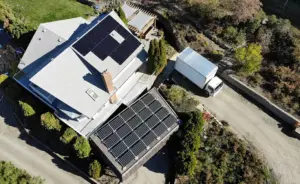
In early 2026, a 6 kW rooftop system was installed in San Diego by a licensed crew using pre‑engineered mounting hardware. The total cost was $14,850, translating to $2.48 per watt—below the national average. The entire project, from contract signing to final inspection, completed in 21 days, allowing the homeowner to start saving on electricity bills within the same month. Premium Solar Panel Installation San Diego: Licensed Installers Deliver Fast Setup & Max Savings details the workflow.
Denver Commercial Warehouse Upgrade
A 120 kW system for a distribution center in Denver leveraged bulk purchasing discounts and a fast‑track permitting process coordinated with the city’s sustainability office. The project cost $282,000 (≈ $2.35 per watt) and was commissioned in just 34 days. The client reported a 32 % reduction in electricity expenses in the first quarter, confirming that cost‑effective, rapid installations can yield immediate ROI. See more on this in Top Rated Solar Panel Installation Denver – Reliable Clean Energy Solutions for 2026 Savings.
Florida Mixed‑Use Development
For a mixed‑use complex in Tampa, the installer combined residential and commercial modules into a single design, saving on engineering fees. The total price per watt dropped to $2.29, the lowest in the region, and the installation was completed in 28 days—well under the typical 6‑week window. The project qualified for both federal ITC (Investment Tax Credit) and a state‑specific solar rebate, further lowering the effective cost. Details are available at Trusted Florida Solar Panel Installation Company: Residential & Commercial Projects That Deliver Real Savings.
Common Pitfalls and How to Avoid Them
- Choosing the lowest quote without warranty clarity: Always request a written warranty summary; a cheap system may lack a comprehensive labor guarantee.
- Ignoring local code nuances: Some municipalities require specific fire‑rating for mounting hardware; failure to comply can delay final inspection.
- Delaying incentive paperwork: Incentive‑ready packages must be submitted before the end of the fiscal year; otherwise, you risk losing up to 30 % of potential savings.
- Poor site shading analysis: Inadequate shading studies lead to underperforming systems, extending the payback period.
Frequently Asked Questions
What is the typical timeline for a residential solar installation?
When all permits are pre‑approved and a certified installer is used, the average timeline is 3–4 weeks from site survey to final inspection. Delays usually stem from permitting or utility interconnection approvals.