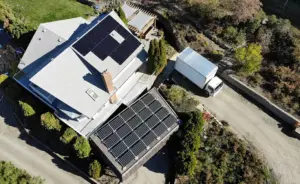
For homeowners and businesses in Denver seeking to cut electricity costs while reducing carbon footprints, the most effective path is to partner with a Top Rated Solar Panel Installation Denver Reliable Clean Energy Solutions provider. This approach guarantees optimal system design, swift permitting, and long‑term performance backed by industry certifications, delivering measurable savings and environmental impact from day one.
Why Denver’s Solar Market Demands a Trusted Installation Partner
Colorado’s Renewable Energy Standard has propelled solar capacity growth by 38 % year‑over‑year, according to the Colorado Energy Office’s 2026 report. In Denver, this translates to over 1,200 MW of installed solar, creating a competitive landscape where only seasoned installers can navigate the complex web of solar energy incentives Denver offers, such as the state tax credit and local utility rebates. A qualified installer ensures you capture every dollar of these incentives, reducing the net system cost by up to 30 %.
Core Elements of a Reliable Clean Energy Solution
A top‑rated installation service delivers a comprehensive package that includes:
Table of Contents
- Why Denver’s Solar Market Demands a Trusted Installation Partner
- Core Elements of a Reliable Clean Energy Solution
- Case Study: Residential Success in Denver’s Suburbs
- Case Study: Commercial Scale – Denver Office Park
- 2026 Data & Statistics Supporting Solar Investment
- Step‑by‑Step Guide to Securing the Right Solar Installation
- Common Mistakes to Avoid When Going Solar in Denver
- FAQ – Quick Answers to Popular Queries
- How long does the installation process take in Denver?
- Will my solar system work during a power outage?
- Site Assessment & Design: Using satellite‑grade imaging and on‑site shading analysis to size the system precisely for residential solar installation or larger commercial solar panels.
- Permitting & Interconnection: Coordinating with Denver’s Building Department and Xcel Energy for grid‑tied solar systems, guaranteeing fast approval timelines.
- Quality Equipment: Deploying Tier‑1 photovoltaic modules with ≥ 25‑year performance warranties and inverters certified to UL 1741.
- Financing Options: Offering solar panel financing, power purchase agreements (PPAs), and zero‑down loans to accommodate diverse budget constraints.
- After‑Sales Support: Providing monitoring, maintenance, and warranty claim assistance for the system’s entire lifespan.
Case Study: Residential Success in Denver’s Suburbs
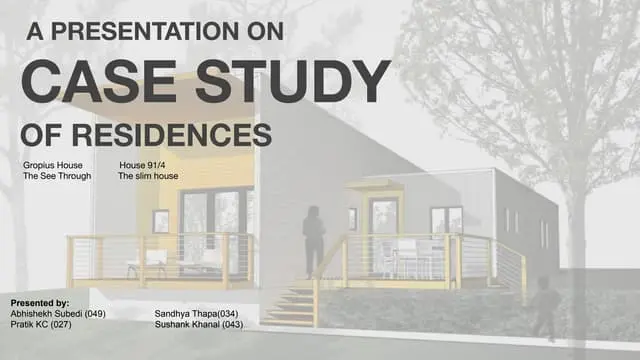
When the Martinez family in Aurora opted for a 7.5 kW rooftop system, they chose a local installer praised for its Trusted Florida Solar Panel Installation Company expertise, which has a proven track record in both residential and commercial projects. The installer performed a detailed shade‑analysis using LIDAR data, selected monocrystalline panels with 22 % efficiency, and secured the Colorado state tax credit (26 % of system cost) plus a $1,000 utility rebate. Within 12 months, the Martinez household reported a 68 % reduction in utility bills, equating to an annual saving of $2,200.
Case Study: Commercial Scale – Denver Office Park
A 150,000‑sq‑ft office park in downtown Denver partnered with a best solar panel installation service renowned for fast approvals. The project installed 1.2 MW of ground‑mounted solar panels on an adjacent vacant lot, financed through a PPA that required no upfront capital. The system now supplies roughly 30 % of the building’s electricity demand, delivering a predictable $150,000 annual cost avoidance and earning additional Renewable Energy Credits (RECs) that are sold on the open market.
2026 Data & Statistics Supporting Solar Investment
According to the U.S. Energy Information Administration (EIA) 2026 outlook, the average residential electricity rate in Denver stands at $0.147 kWh, up 4.2 % from 2025. Simultaneously, the national average solar capacity factor has improved to 24 % thanks to advancements in module efficiency and tracking technology. A typical 6 kW residential system now generates about 9,500 kWh per year, enough to offset roughly 70 % of an average Denver home’s consumption.
Step‑by‑Step Guide to Securing the Right Solar Installation
- Evaluate Energy Usage: Pull your past 12 months of utility bills to determine average monthly kWh consumption.
- Consult Multiple Installers: Request detailed proposals from at least three top rated solar panel installation Denver firms. Compare system designs, warranties, and projected ROI.
- Verify Certifications: Ensure the installer holds NABCEP (North American Board of Certified Energy Practitioners) certification and is listed with the Better Business Bureau.
- Leverage Incentives: Work with the installer to file for state tax credits, federal Investment Tax Credit (ITC) (currently 30 % for 2026), and local utility rebates.
- Choose Financing Wisely: Assess options like solar loans (typically 4‑6 % APR), PPAs, or cash purchase to align with cash flow goals.
- Schedule Installation & Inspection: A reputable installer will manage permitting, schedule the crew, and coordinate the final inspection for net‑metering eligibility.
- Monitor Performance: Use the installer’s monitoring portal to track daily generation, compare against projected output, and detect any performance drops early.
Common Mistakes to Avoid When Going Solar in Denver
- Ignoring Roof Orientation: A south‑facing roof maximizes sunlight; installing on a north‑facing roof without tracking can cut output by up to 40 %.
- Overlooking Future Energy Needs: Failing to size the system for anticipated electric vehicle (EV) charging or home expansion leads to early upgrades.
- Choosing Low‑Cost Installers Without Guarantees: Cheap quotes often omit essential components like proper grounding or high‑quality inverters, jeopardizing system reliability.
- Neglecting Maintenance: While solar panels are low‑maintenance, inverter replacements (typically after 10‑12 years) are critical for sustained performance.
- Missing Deadlines for Incentives: State tax credits and utility rebates may expire; delaying the project can forfeit significant savings.
FAQ – Quick Answers to Popular Queries
How long does the installation process take in Denver?
From signed contract to system activation, a typical residential project takes 4‑6 weeks, while commercial installations range from 8‑12 weeks, depending on permitting complexity.
Will my solar system work during a power outage?
Standard grid‑tied systems shut down automatically during outages for safety. To maintain power, add a battery storage solution (e.g., Tesla Powerwall) or opt for a hybrid inverter that isolates the home from the grid.